
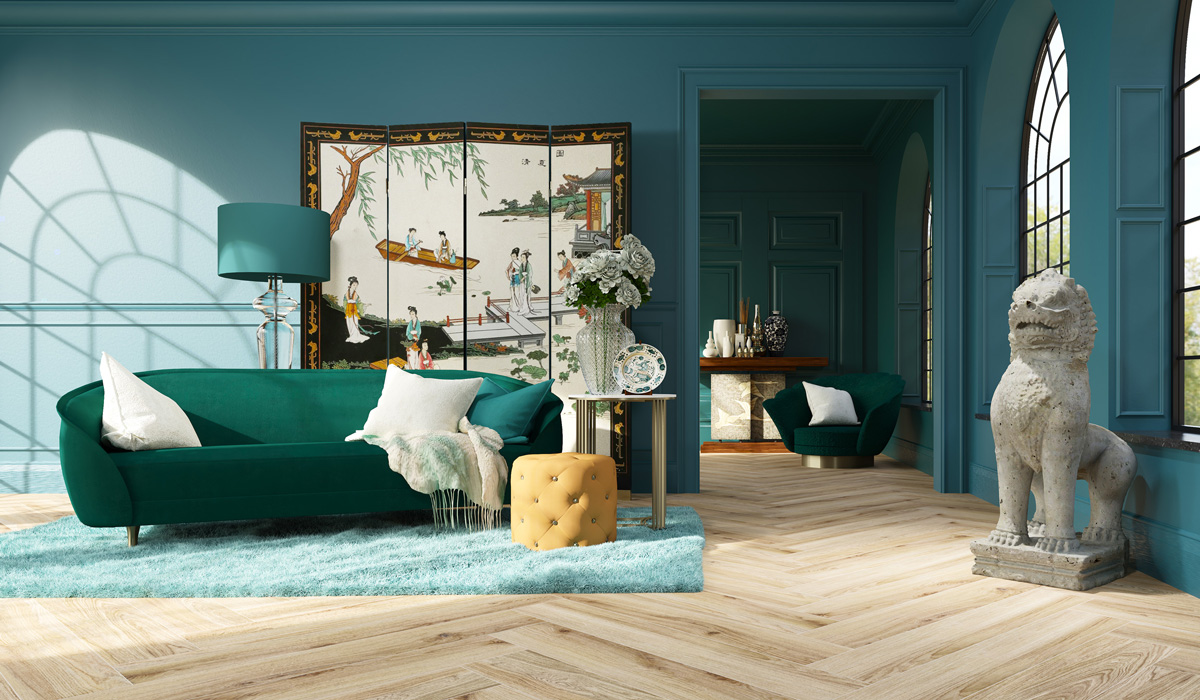
Interior design trends continue to evolve as homeowners search for spaces that feel more calming, comfortable, and emotionally balanced. Among the most influential modern trends is the growing use of soft color palettes. Shades such as warm beige, muted green, soft gray, pale blue, and creamy white are becoming increasingly popular because they create peaceful atmospheres that support relaxation and everyday comfort.
Unlike bold and dramatic interiors that demand attention, soft color palettes focus on creating balance and harmony within a space. This design approach is changing how people experience their homes and how interior environments influence mood.
Creating Calm And Comfortable Spaces
One of the main reasons soft colors are becoming more admired is their ability to reduce visual stress. Modern life is often filled with constant digital stimulation, noise, and busy schedules. As a result, many homeowners now prefer interiors that feel calm and emotionally restful.
Soft shades reflect natural light gently and create smoother visual transitions between walls, furniture, and décor. This produces an atmosphere that feels welcoming without appearing overwhelming. Living rooms, bedrooms, and home offices designed with lighter tones often feel larger, brighter, and more peaceful.
Many design discussions featured through Australian long form content platforms now focus on emotional comfort as an essential part of modern interior planning. Homeowners are becoming more aware that color choices directly affect how a space feels on a daily basis.
The Influence Of Modern Digital Culture
Technology and digital lifestyles are also influencing interior design preferences. After spending long hours in front of screens filled with bright visuals and constant notifications, people naturally seek environments that offer visual softness and balance.
This shift explains why many homes now include earthy neutrals, warm textures, and subtle color layering. These interiors help create separation from fast paced digital environments and encourage relaxation.
Writers and designers contributing to a technology trends blog often explore how modern living habits are shaping interior aesthetics. As digital overload becomes more common, calming home environments are becoming increasingly valuable.
Soft Colors And Lifestyle Identity
Interior design has become closely connected with personal identity and lifestyle choices. Many homeowners now view their homes as reflections of emotional wellbeing rather than simply decorative spaces. Soft color palettes support this mindset because they create a timeless and adaptable atmosphere.
Neutral and muted tones also allow greater flexibility when combining furniture, lighting, artwork, and natural materials. This makes it easier for homeowners to refresh their spaces without needing major renovations.
Across platforms that encourage creative contributions such as write for us blog Australia, conversations around minimalist interiors and calming design trends continue to grow. These discussions show that people are increasingly drawn toward interiors that feel emotionally supportive instead of visually aggressive.
The Business Impact Of Interior Trends
Soft color palettes are not only influencing residential homes but also commercial spaces. Cafés, hotels, wellness studios, and retail stores are using softer interiors to create more welcoming customer experiences. Businesses understand that atmosphere can strongly affect customer comfort and perception.
Companies listed through business listing Australia directories are increasingly adopting modern interior concepts that combine simplicity with warmth. Soft tones help businesses appear more approachable, premium, and customer friendly without relying on excessive decoration.
This trend demonstrates how color psychology now plays a major role in both residential and commercial design strategies.
Emotional Connection Through Design
Modern interior design is becoming more focused on emotional experience rather than visual complexity alone. Soft palettes encourage people to slow down, relax, and feel more connected to their surroundings. These spaces often support better concentration, more comfortable conversations, and improved emotional comfort.
Designers are also recognizing the importance of customer interaction when creating interiors for businesses and hospitality spaces. Softer environments can improve mood and encourage longer visits, which contributes to stronger real time customer engagement in commercial settings.
Ultimately, soft color palettes are changing interior atmospheres because they respond to what modern people truly need. In a world filled with noise and overstimulation, calm environments have become more valuable than ever. Homes and businesses that embrace softer tones are creating spaces that feel welcoming, balanced, and emotionally refreshing for everyday life.

Leo is a passionate lifestyle and home ideas writer sharing practical tips on family living, decor, and organization to help make every house feel more welcoming.