
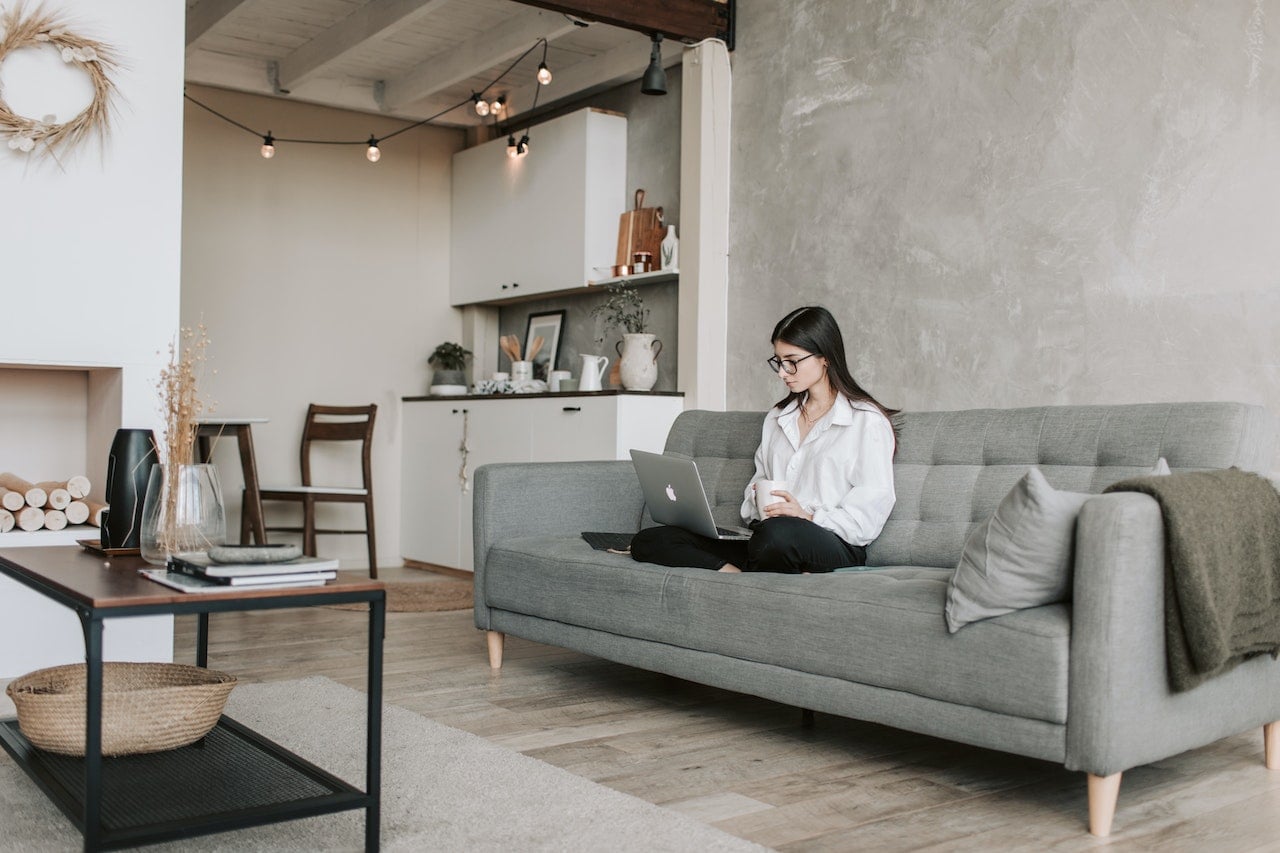
Minimalism is often misunderstood as empty spaces and strict limitations. In reality, it is about creating an environment that feels calm, functional, and deeply personal. When done right, minimalism does not remove comfort but enhances it. Even something as simple as accessing http sewayojan up nic in reflects how streamlined systems can make everyday tasks easier, showing that simplicity often leads to a more comfortable experience.
Understanding Minimalism Beyond Less
Minimalism is not about having fewer things for the sake of it. It is about keeping what truly matters and removing what does not add value. This approach allows you to focus on essentials without distractions.
A minimalist space should feel intentional rather than empty. Each item has a purpose, and every element contributes to the overall atmosphere. This clarity creates a sense of ease, making the space more inviting and comfortable.
Creating Visual Balance
Comfort in minimalism comes from balance. A well balanced space does not feel crowded or too bare. It maintains harmony between open areas and carefully chosen elements.
Inspiration can come from artistic expressions like simple mehndi design, where patterns are clean, elegant, and thoughtfully arranged. Similarly, minimalist interiors should focus on clean lines and balanced compositions, creating a space that feels complete without excess.
The Role Of Functionality
Functionality is at the heart of minimalist comfort. Every piece in the space should serve a clear purpose. Furniture should be practical, storage should be accessible, and layouts should support daily routines.
When everything has a role, there is less confusion and more efficiency. This reduces stress and allows you to move through your day with ease. A functional space naturally feels more comfortable because it works with you, not against you.
Embracing Simplicity In Design
Simplicity is one of the most powerful aspects of minimalism. It allows you to focus on what is essential and removes unnecessary distractions. Simple designs often feel more calming and easier to maintain.
The idea of how to draw a perfect circle reflects the beauty of simplicity and precision. Achieving something that looks effortless often requires careful thought and practice. In the same way, minimalist design requires intention to create a space that feels both simple and comfortable.
Using neutral Colors And Soft Textures
Color plays an important role in creating a comfortable minimalist space. Neutral tones such as white, beige, and soft gray create a calm and soothing environment. These colors allow the mind to relax and reduce visual clutter.
Textures add warmth to these neutral spaces. Soft fabrics, natural materials, and subtle contrasts prevent the space from feeling cold or empty. This combination of color and texture creates a balanced and inviting atmosphere.
Letting Natural Light Enhance The Space
Natural light is a key element in minimalist design. It enhances the openness of a space and creates a sense of warmth. Large windows, light curtains, and open layouts allow sunlight to flow freely.
A well lit space feels more alive and comfortable. It also reduces the need for artificial lighting during the day, contributing to a more natural and relaxed environment.

Incorporating Meaningful Elements
Minimalism does not mean removing personality. Instead, it encourages you to keep items that hold meaning. Personal touches such as photographs, artwork, or sentimental objects add depth to the space.
Platforms like www.anfieldedition.net reflect how curated content can create a focused and engaging experience. Similarly, a minimalist home should include carefully chosen elements that tell your story without overwhelming the space.
Reducing Mental Clutter
One of the biggest benefits of minimalism is the reduction of mental clutter. When your environment is organized and simple, your mind feels clearer and more focused.
This clarity allows you to think better, make decisions more easily, and feel less stressed. A comfortable space is not just about physical elements but also about how it affects your mental state.
Building Consistent Habits
Maintaining a minimalist space requires consistent habits. Simple routines like putting things back in place, cleaning regularly, and avoiding unnecessary purchases help preserve the balance of the environment.
Communities like sfmcompilr show how shared knowledge and consistency can support progress. In your home, small habits ensure that minimalism remains practical and sustainable over time.
Creating Spaces For Relaxation
Comfort is closely tied to relaxation. A minimalist home should include areas where you can unwind and recharge. These spaces do not need to be elaborate. A comfortable chair, a quiet corner, or a soft rug can be enough.
The goal is to create a place where you can pause and disconnect from the demands of daily life. This balance between activity and rest is essential for a truly comfortable environment.
Conclusion
Minimalism becomes comfortable when it is approached with intention and balance. It is not about removing everything but about creating a space that supports your needs and reflects your values. From functional design and natural light to meaningful elements and consistent habits, every detail contributes to the overall experience. When minimalism is done thoughtfully, it transforms into a lifestyle that feels calm, organized, and deeply comforting.

Leo is a passionate lifestyle and home ideas writer sharing practical tips on family living, decor, and organization to help make every house feel more welcoming.
