
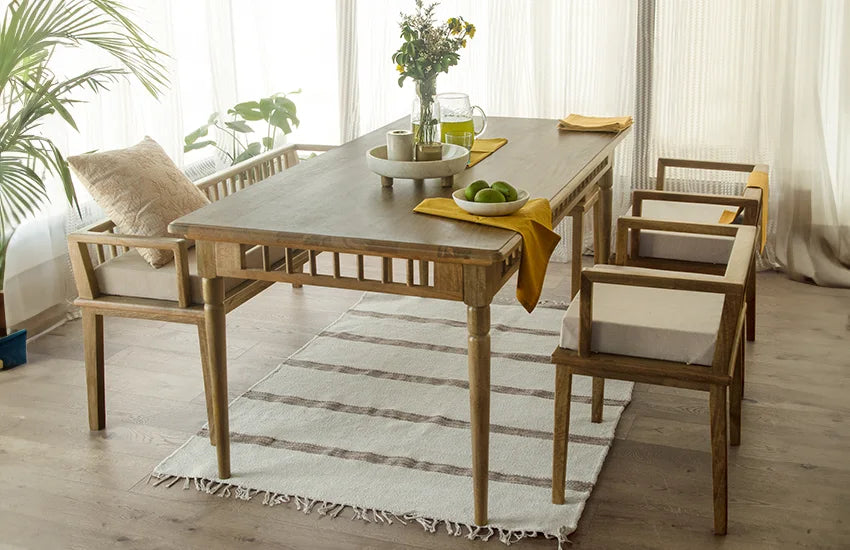
A home is not a fixed space. It grows, shifts, and adapts as your life changes. What works today may not suit your needs tomorrow, and that is why flexible design has become more important than ever. Even something as routine as checking rtps 19 reflects how systems are designed to adapt and update over time. In the same way, homes should be designed to evolve alongside your lifestyle, supporting both present needs and Future changes.
Designing For Life Transitions
Life is full of transitions. Careers change, families grow, and priorities shift. A home that can adapt to these transitions remains functional and relevant over time.
Instead of designing spaces for a single purpose, it is more effective to create areas that can serve multiple roles. A room that functions as a home office today can become a guest room or study area in the future. This adaptability ensures that your home continues to meet your needs without requiring constant renovation.
Flexible Spaces For Modern Living
Modern lifestyles demand flexibility. With remote work, online learning, and changing routines, homes must accommodate different activities within the same space.
Open layouts and modular furniture make it easier to adjust spaces as needed. For example, a living room can transform into a workspace during the day and a relaxation area in the evening. Even digital habits, such as using platforms like join my blooket, show how flexibility is becoming a part of everyday life. Homes should reflect this same adaptability.
Investing In Timeless Design
Trends come and go, but timeless design ensures longevity. Choosing neutral colors, durable materials, and classic layouts allows your home to remain relevant despite changing preferences.
Platforms like https://make1mluxury.com emphasize quality and refinement over temporary trends. In home design, this approach helps create spaces that age well and require fewer updates. Timeless design acts as a stable foundation for evolving lifestyles.
Emotional Spaces That Grow With You
A home is not just functional. It is also emotional. As you grow, your connection to your space changes. Rooms begin to hold memories, and certain areas gain personal significance.
Incorporating elements that reflect your journey makes your home feel more meaningful. Projects like The Unsent Message Projects show how emotions and experiences shape personal expression. Similarly, your home should evolve to reflect your story, capturing different phases of your life.
Adapting Storage To Changing Needs
Storage requirements change over time. What you need to store today may be different in the future. Designing flexible storage solutions allows your home to adapt without becoming cluttered.
Adjustable shelves, modular cabinets, and hidden storage options provide the flexibility needed to accommodate changing belongings. This ensures that your home remains organized and efficient, regardless of how your needs evolve.
Technology That Supports Change
Technology plays a significant role in modern homes. Smart systems, automated lighting, and adaptable appliances can enhance convenience and efficiency.
As lifestyles change, technology can be updated or modified to meet new demands. Even platforms like dazcfutbol.org reflect how digital environments continuously evolve to meet user needs. In homes, technology should be integrated in a way that supports flexibility rather than limiting it.
Multi Purpose Furniture For Dynamic Living
Furniture that serves multiple purposes is essential for evolving homes. Foldable tables, sofa beds, and extendable storage units allow spaces to adapt quickly.
These solutions are especially useful in smaller homes, where space must be used efficiently. Multi purpose furniture reduces the need for additional items, keeping the home functional and uncluttered.
Balancing Stability And Change
While adaptability is important, a home should also provide a sense of stability. Certain elements, such as layout and structure, should remain consistent to create a feeling of comfort and familiarity.
The balance between stability and change ensures that your home feels both reliable and flexible. It allows you to adapt without losing the sense of belonging that a home provides.
Planning For The Future
Designing an evolving home requires thinking ahead. Considering potential future needs, such as additional family members or lifestyle changes, helps create a space that remains functional over time.
Simple decisions, like leaving room for expansion or choosing adaptable layouts, can make a significant difference in the long term. Planning ahead reduces the need for major adjustments later.
Conclusion
Homes that evolve with your changing lifestyle are built on flexibility, intention, and foresight. They are designed to adapt to life’s transitions while maintaining comfort and functionality. From flexible layouts and multi purpose furniture to emotional connections and smart technology, every element contributes to a dynamic living environment. A home that evolves is not just a place to live. It is a space that grows with you, supporting every stage of your journey while remaining a constant source of comfort and stability.

Leo is a passionate lifestyle and home ideas writer sharing practical tips on family living, decor, and organization to help make every house feel more welcoming.