Sustainable Gardening Tips For Eco-Friendly Homes
Gardening is more than just a hobby—it’s a lifestyle that allows people to connect with nature while making environmentally conscious choices. As the world becomes increasingly aware of the importance of sustainability, eco-friendly gardening practices are gaining popularity among homeowners. From conserving water to choosing native plants, sustainable gardening can transform outdoor spaces into thriving ecosystems that benefit both people and the planet.
Why Sustainable Gardening Matters?
The choices we make in our gardens impact biodiversity, water conservation, and even the air we breathe. Traditional gardening often relies on chemical fertilizers and excessive water use, but eco-friendly alternatives focus on long-term benefits. By adopting sustainable methods, homeowners reduce waste, support pollinators, and create landscapes that thrive naturally without constant maintenance.
Creating a garden that reflects both beauty and responsibility can feel like choosing a cute insta dp—it’s a small action that communicates a lot about who you are and what you value. In this case, your garden becomes a living reflection of your commitment to the environment.
Understanding Legal And Zoning Considerations
Sustainable gardening sometimes involves adding structures like rainwater harvesting tanks, compost systems, or solar-powered lighting. Depending on local regulations, certain installations may require approval or must meet specific safety standards. Understanding these requirements is crucial for homeowners who want to ensure their eco-friendly projects don’t face legal setbacks.
Resources such as an Australian lawyer directory can connect property owners to professionals who provide guidance on zoning rules and compliance. Taking the time to address legal considerations ensures that your green efforts align with community standards while still benefiting the environment.
Water Conservation Practices
One of the most important aspects of sustainable gardening is reducing water consumption. Simple steps like installing drip irrigation systems, collecting rainwater, and planting drought-tolerant species can make a big difference. Mulching also helps retain soil moisture and prevent evaporation.
Conserving water not only lowers utility bills but also helps preserve one of Earth’s most precious resources. By using these techniques, homeowners create gardens that remain vibrant even during dry seasons.
Composting And Organic Fertilizers
Chemical fertilizers may provide quick results, but they can harm soil health and leach into waterways. Composting offers a natural alternative that improves soil fertility and reduces household waste. Organic fertilizers, made from natural materials like bone meal or seaweed, also promote healthy plant growth without harming the ecosystem.
In a way, composting is the garden’s version of zindagi dard bhari shayari—it takes what might seem like decay or endings and transforms it into something meaningful and nourishing. Through compost, the cycle of life continues, turning waste into growth.
Choosing Native And Pollinator-Friendly Plants
Native plants are naturally adapted to local climates and soils, requiring less maintenance and fewer resources. They also provide food and shelter for native wildlife, including bees, butterflies, and birds. By selecting plants that attract pollinators, homeowners support biodiversity while enjoying vibrant gardens.
These choices not only make gardens more eco-friendly but also create a sense of connection to the local environment, celebrating the uniqueness of regional ecosystems.
Sustainable Design And Technology
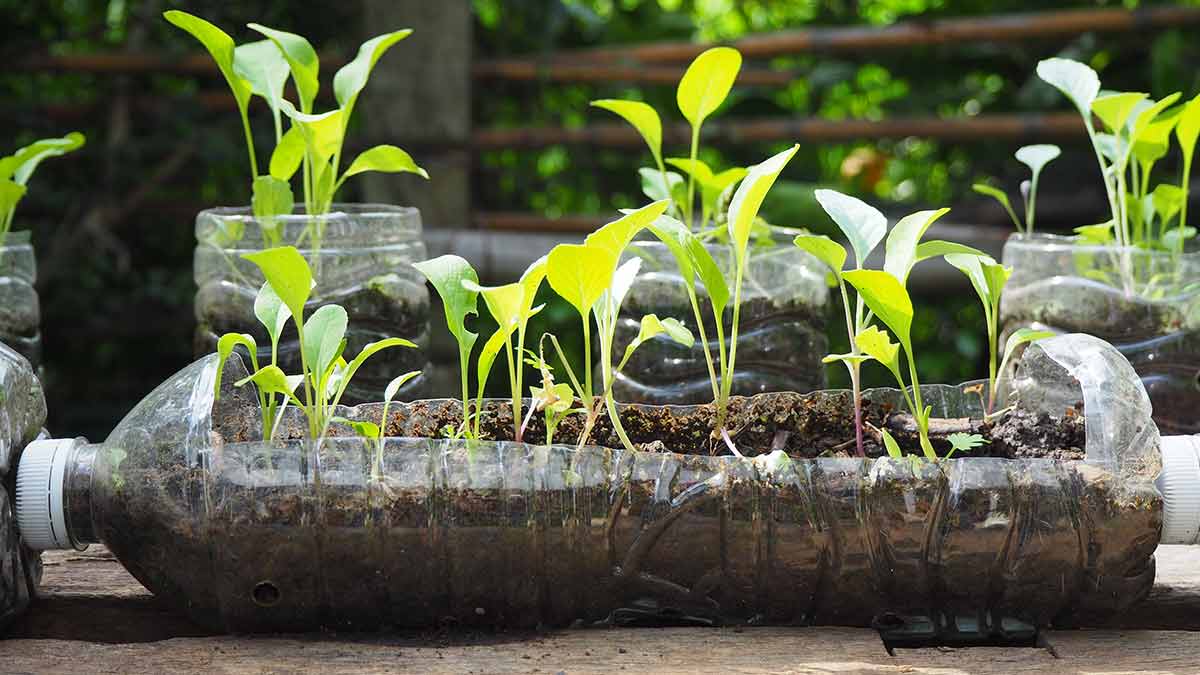
Technology is also playing a role in eco-friendly gardening. From solar-powered garden lights to automated irrigation systems, innovations make it easier to reduce environmental impact. Thoughtful design also helps homeowners maximize small spaces with vertical gardens or repurposed containers.
Many homeowners seek expert advice to bring these ideas to life. Just as businesses consult an Australia web design company to create a functional and appealing digital presence, gardeners can turn to professionals who combine creativity and eco-friendly principles to design sustainable outdoor spaces.
Supporting Local Services And Community
Sustainable gardening often extends beyond individual backyards. By sourcing plants from local nurseries, using community compost programs, or hiring eco-conscious landscapers, homeowners strengthen local economies while promoting environmental responsibility.
Platforms like a local home service listing make it easier to connect with professionals who specialize in environmentally friendly practices. From landscapers to irrigation experts, these services help families maintain gardens that are both beautiful and sustainable.
Reducing Waste And Recycling In The Garden
Sustainable gardening also involves minimizing waste. Reusing materials like old bricks for garden paths, repurposing containers as planters, or recycling yard waste into mulch all contribute to eco-friendly living. These small choices add up, reducing the strain on landfills and supporting a circular approach to resource use.
Even decorative elements can be eco-conscious. Garden furniture made from reclaimed wood or recycled metal combines style with sustainability, creating spaces that are both inviting and environmentally responsible.
Long-Term Benefits Of Sustainable Gardening
The rewards of eco-friendly gardening go far beyond a greener backyard. Families enjoy healthier environments, cleaner air, and lower household costs. These practices also promote mindfulness, as homeowners become more aware of the cycles of nature and their role within them.
Over time, sustainable gardens become sanctuaries—not just for people but for wildlife as well. They embody harmony between human needs and environmental responsibility, showing how small lifestyle choices contribute to a larger global effort.
Conclusion
Sustainable gardening is about more than maintaining a beautiful yard—it’s about making conscious choices that protect the planet while enriching daily life. From conserving water and composting to choosing native plants and supporting local services, every step counts toward building eco-friendly homes. Much like a carefully chosen profile picture, a trusted professional directory, or a heartfelt poem, sustainable gardening communicates values clearly and beautifully. By adopting these practices, homeowners create spaces that reflect responsibility, creativity, and respect for the natural world—ensuring that their gardens truly thrive for generations to come.